Mind
Psychology · Philosophy · Human behavior
Psychology, philosophy, self-knowledge, cognitive bias, personality, power, and human behavior.

Latest from the journal
The Story Your Brain Writes Before You Act
You don't rationalize your choices after the fact. You build a moral narrative in advance that makes the choice feel inevitable. Here's how to tell the difference between your values and your self-protection.
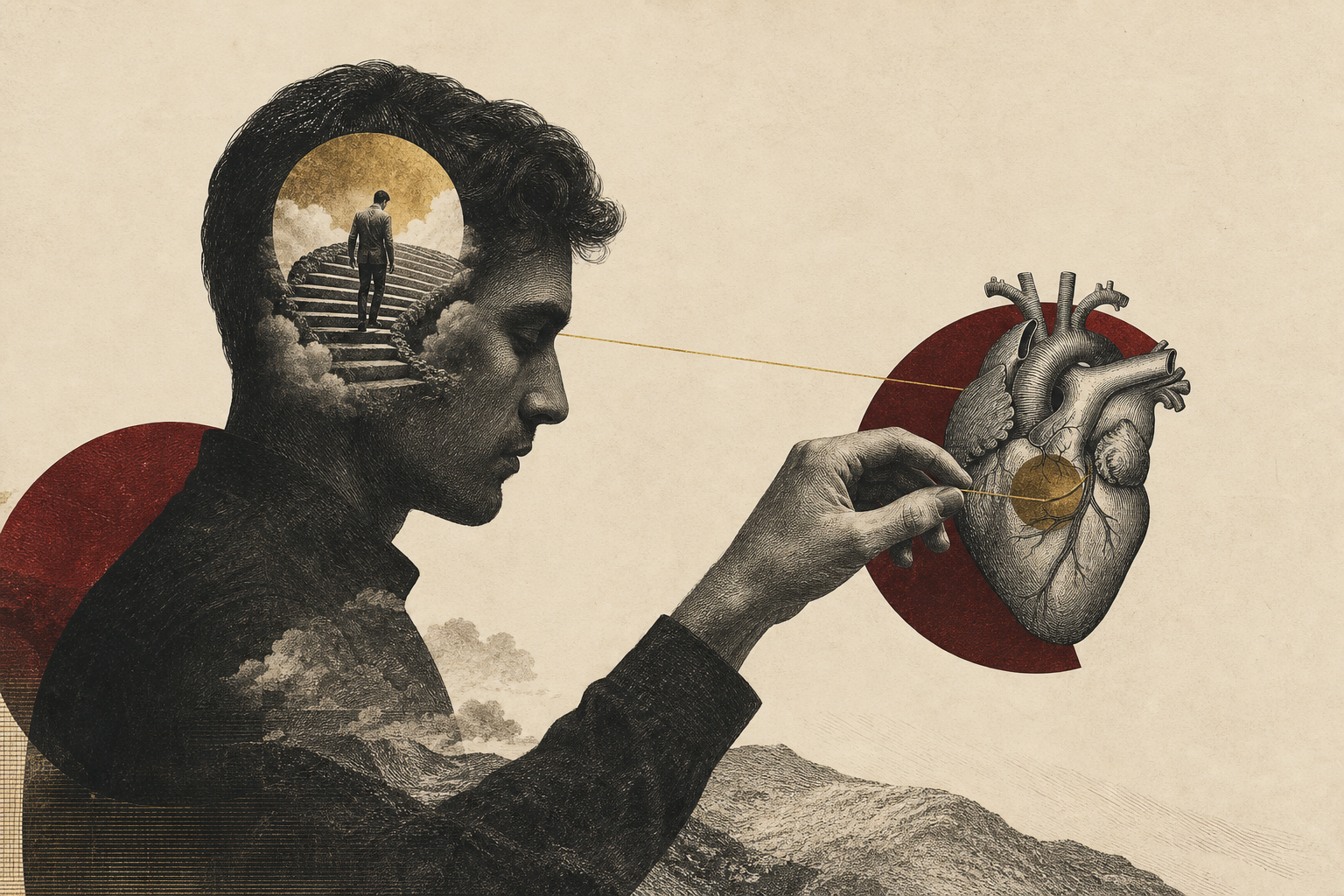
Your Behavior Knows Things You Don't
Your self-narrative is a story you tell, not a record you keep. The most reliable evidence about who you are and what you want is already available in what you consistently do.
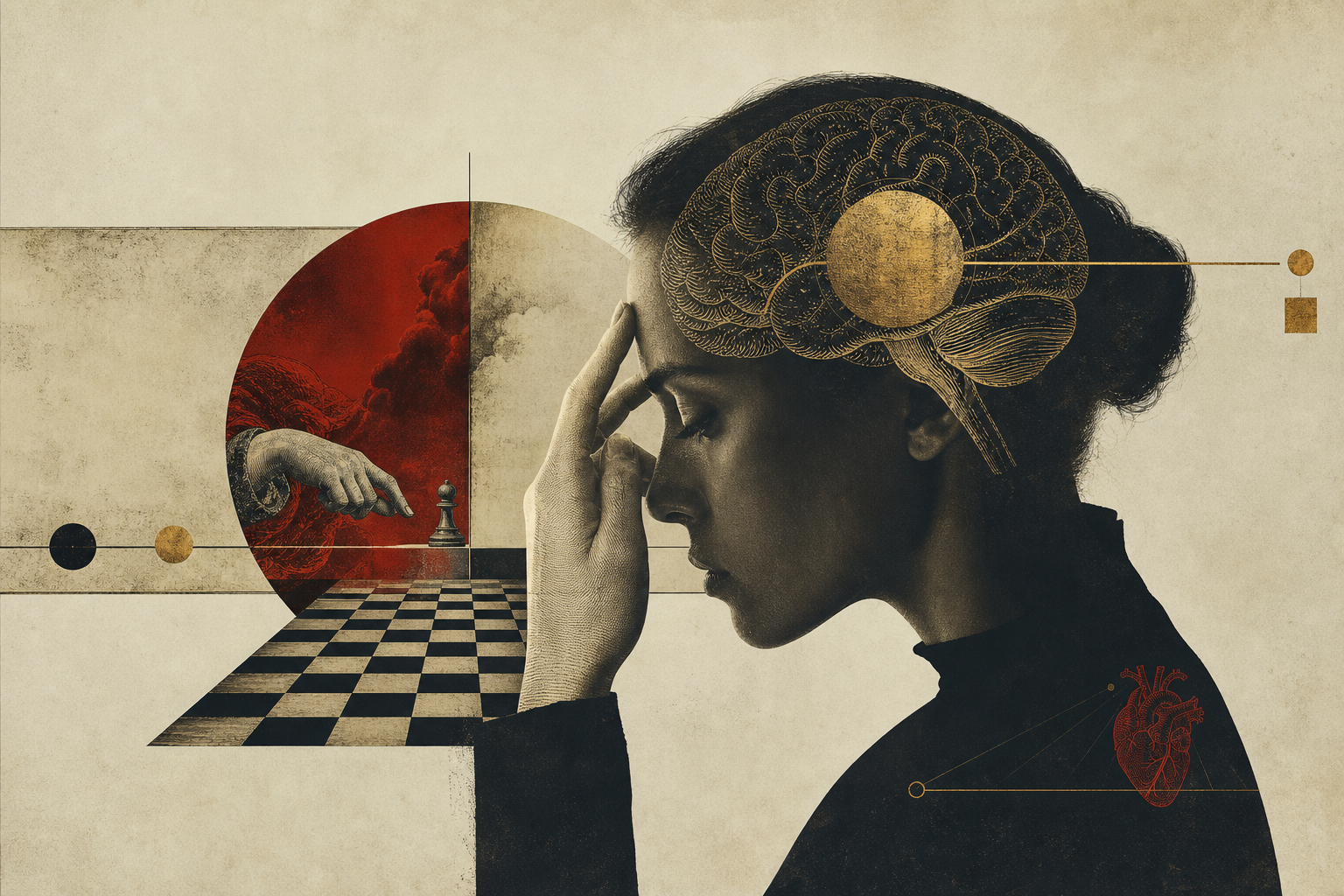
A Philosophy You Can Use on Tuesday
Most ethical frameworks dissolve the moment a deadline hits or a partner snaps. The gap between what you believe and what you do is not a moral failure; it is a design problem. Here is how to build a philosophy that survives contact with reality.
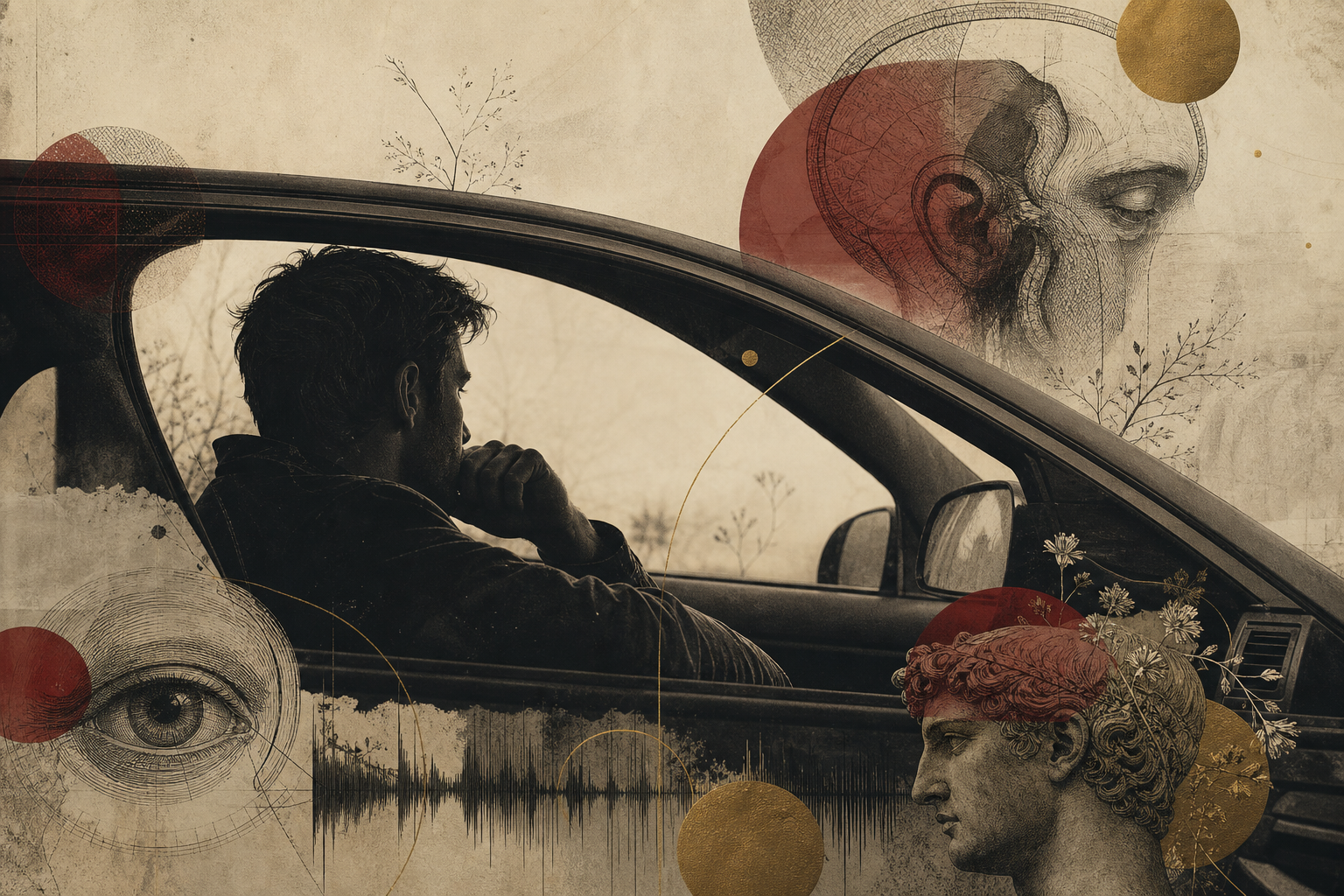
Introspection Needs a Second Witness
We often mistake the comfort of a narrative for the accuracy of one. True self-knowledge requires testing our internal explanations against external reality, behavioral patterns, and the honest feedback of others.
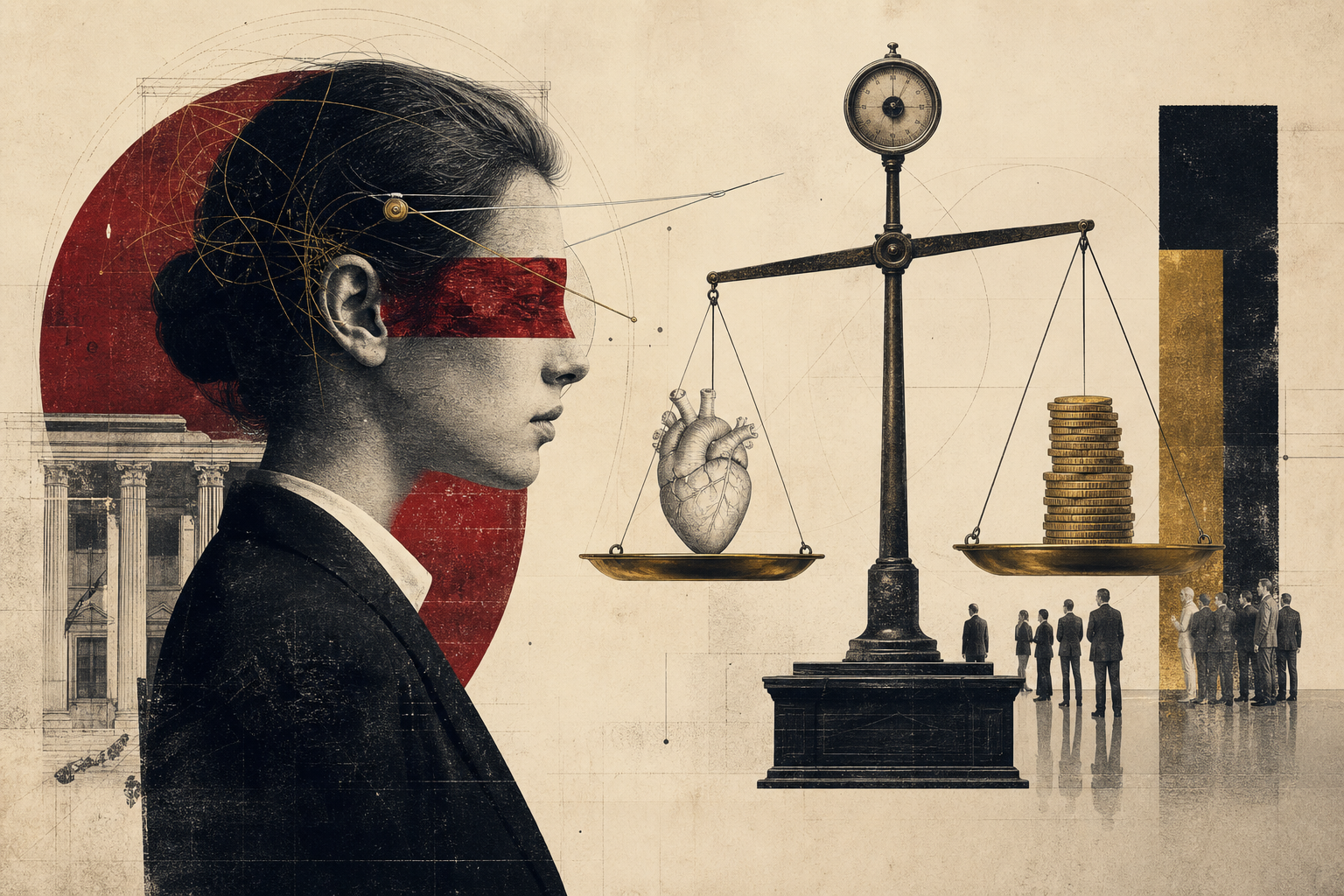
Watch What the System Rewards
We often blame individuals for moral failures, but the architecture of incentives usually drives the outcome. Understanding the gap between stated values and actual behavior requires looking at the structural pressures that make deviation costly.

The Mind Prefers a Clean Story
We often believe we are analyzing our relationships with cold logic, but we are actually curating a narrative. Understanding the gap between what happened and what we tell ourselves is the first step toward honest judgment.

Personality Enters Through the Situation
Why your most reliable trait can vanish in a new room, and how to stop mistaking a single moment for your whole self.
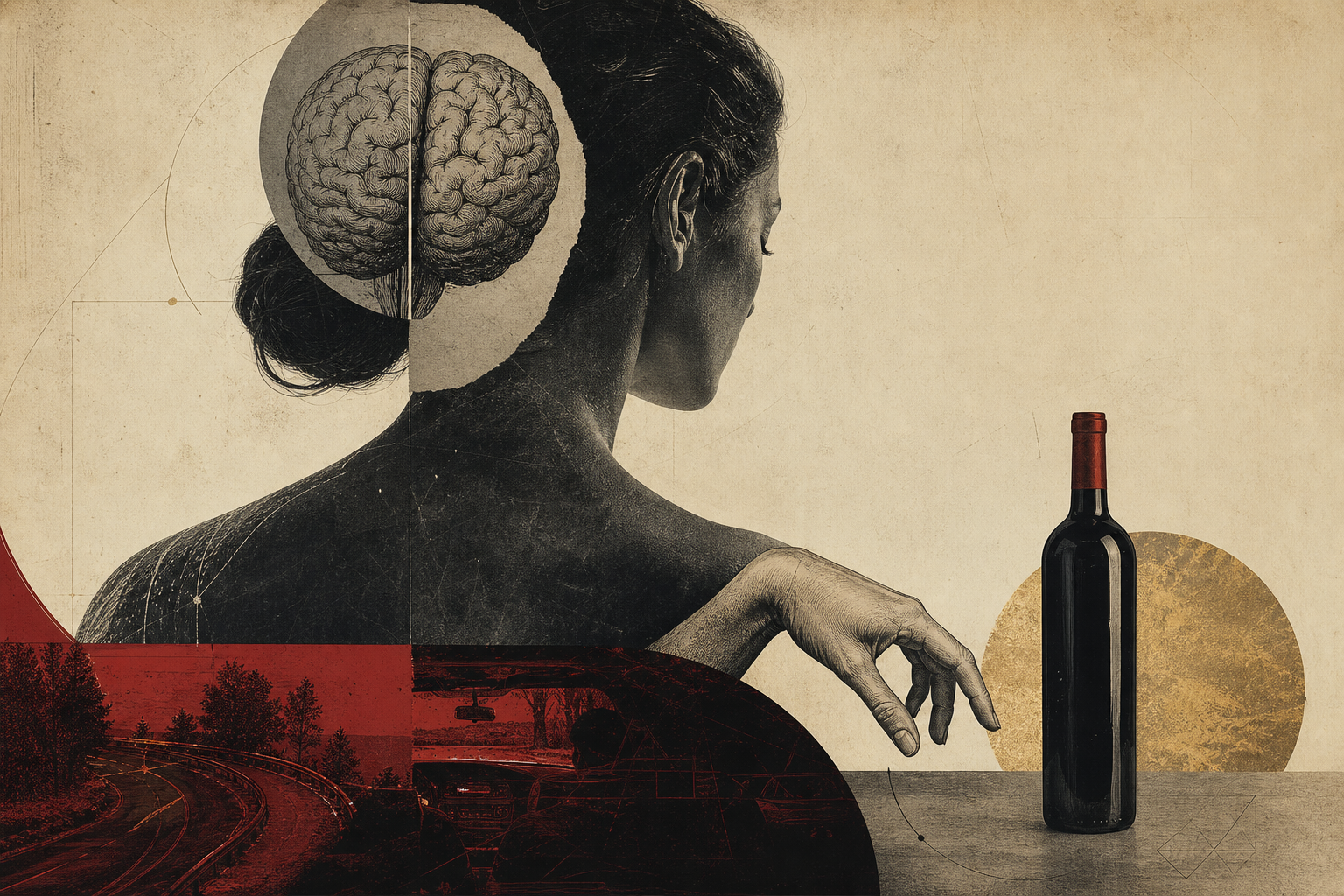
You Don't Know Why You Do What You Do
Your internal narrative is a reconstruction, not a recording. The evidence suggests your repeated choices are a more honest witness than your feelings.

Feelings are data, not verdicts
Your reaction matters. It also benefits from cross-examination.